

Key Note Speakers
Our workshop leaders will center their discussions around “Making Teaching Matter: Empowering Educators to Navigate Challenges and Foster Success”
Presenters:
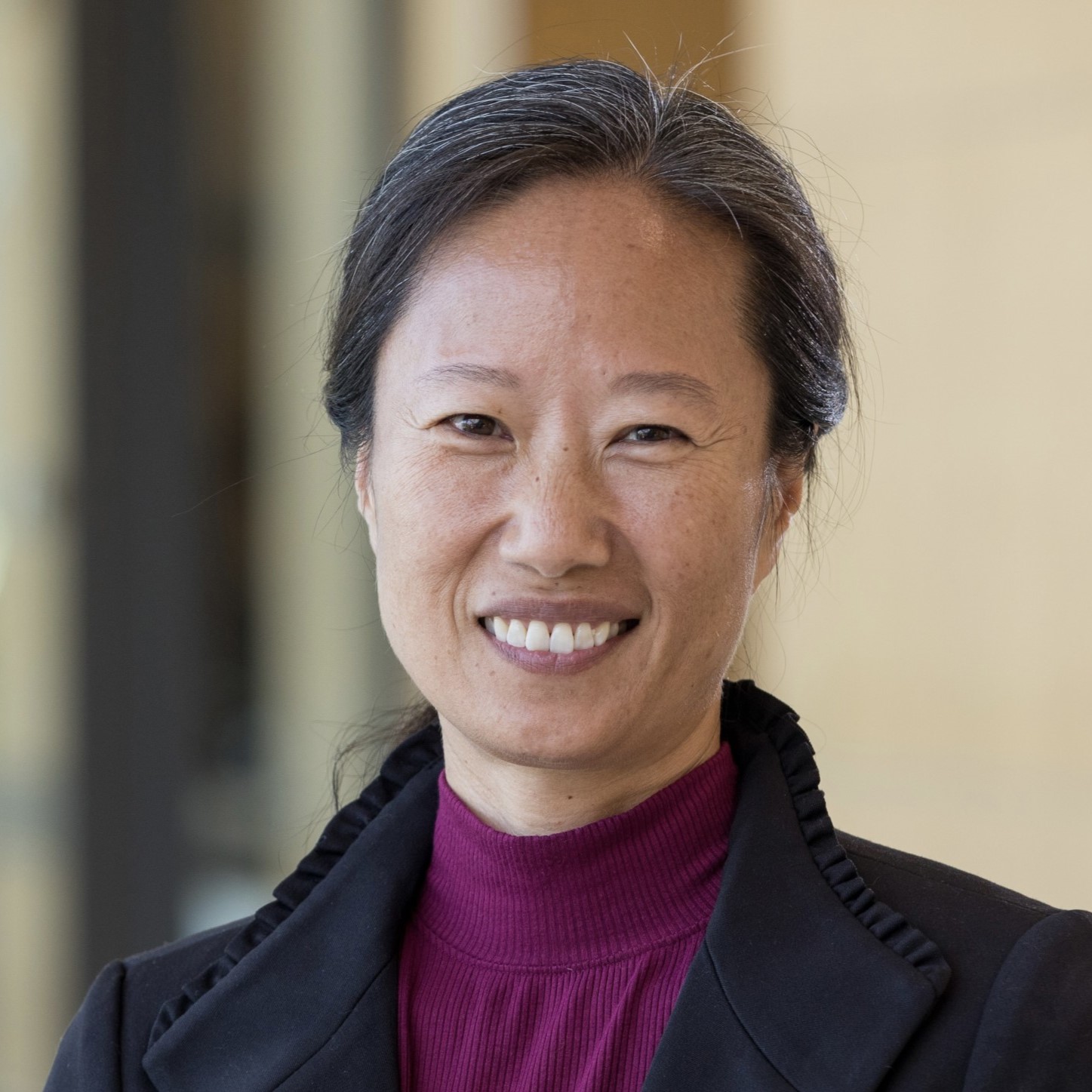
Katherine Fogelberg, DVM, PhD (Science Education), MA (Educational Leadership)
Dr. Fogelberg, author of Educational Principles and Practice in Veterinary Medicine, will share her knowledge and perspectives in three sessions. Her keynote address, Encouraging Agility and Adaptability in Veterinary Medical Education, will focus on the evolving nature of veterinary education. Additionally, she will lead two interactive workshops: one on incorporating active learning into teaching, and the other on qualitative research in veterinary education.
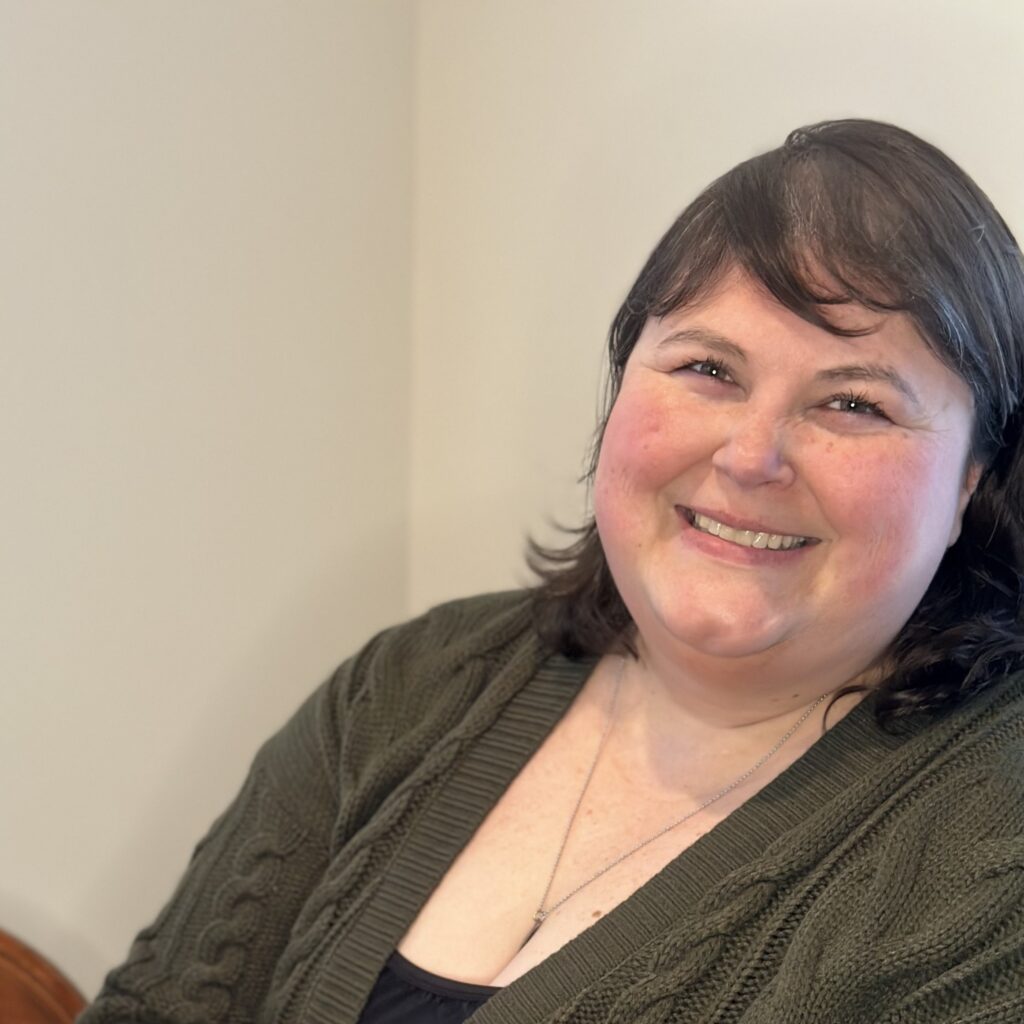
Lauren S. Grider, DVM, MA, ALC, NCC, CCFP
Dr. Grider, a clinical year mentor at the University of Arizona College of Veterinary Medicine, is both a veterinarian and a therapist. She specializes in counseling healthcare workers on emotional regulation, distress tolerance, mindfulness, and boundary-setting.
Session Summaries
Katherine Folgerberg
Encouraging agility and adaptability in veterinary medical education encourages attendees to reflect upon the importance of evolving veterinary education to keep up with transformative technologies that influence both the training of veterinarians and the practice of veterinary medicine in all its forms, challenging veterinary educators to think creatively and work collectively toward a more agile and accessible future.
Why active learning and how to incorporate it into your teaching introduces research that supports active learning as a teaching approach, describes a variety of active learning techniques, and provides an opportunity for participants to engage in several active learning activities to help each other figure out ways to incorporate such techniques into their own teaching.
Qualitative research in veterinary education compares and contrasts qualitative and quantitative research methods, summarizes the value of adding qualitative research to veterinary education, provides an overview of qualitative research approaches, and engages participants in the process of creating a qualitative research process through guided small group work.
Lauren S. Grider
The Perfectionism Problem, where participants will learn to differentiate between resilience and distress tolerance, identify perfectionist thinking and understand how to model healthy resilience and acceptance for students.
Building Better Boundaries, where participants will explore and practice strategies for modeling healthy assertiveness skills for students.